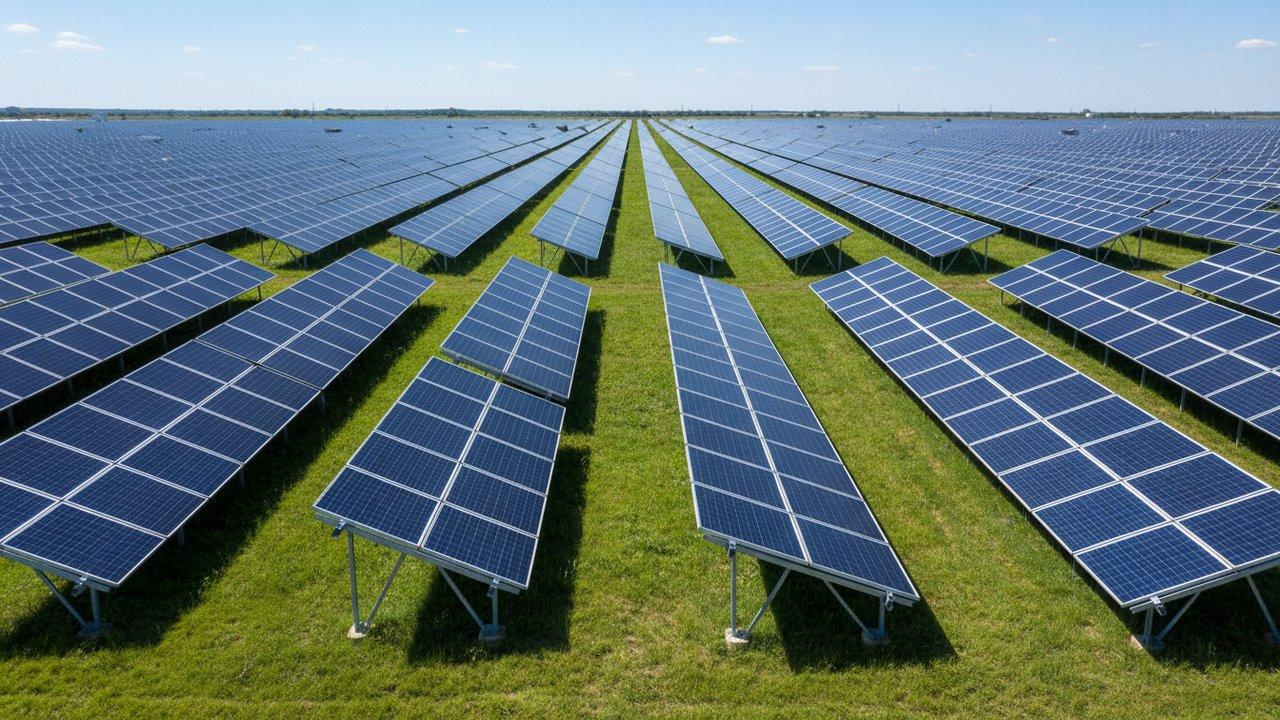
Sustainable Technology | Innovation for a Greener Earth – financesjungle.com
The climate is changing faster than ever, and our resources are running out. We need solutions now more than ever to keep our planet healthy. Tech companies and scientists are working hard to develop new ways to fight pollution and save energy. These innovations are not just ideas, they are becoming real ways to make a big difference. Sustainable technology can help cut carbon footprints, preserve our natural resources, and even boost the economy. It’s the key to building a future where people and nature can thrive together.
Understanding Sustainable Technology:
Defining Sustainable Technology:
Sustainable technology means creating tools and systems that benefit the environment, society, and the economy. Unlike traditional tech, which often harms nature or wastes resources, sustainable tech focuses on smart, eco-friendly solutions. It follows the triple bottom line, meaning it aims to be good for the planet, help people, and support growth. Think of it as a way to get things done while also caring for Earth and everyone inside it.
The Need for Sustainable Innovation:
Why do we need new ideas? Because the problems are urgent: climate change heats up our planet, pollution dirties our air and water, and resources like water and minerals are running low. Investing in green tech can save money long-term, create new jobs, and meet the market’s demand for eco-friendly products. Governments and citizens increasingly support clean energy and sustainable options. When more people see the benefits, it becomes easier to adopt these solutions worldwide.
Key Sectors Transforming with Sustainable Tech:
Many parts of our economy are changing thanks to new innovations:
- Renewable energy sources like solar, wind, and hydro power.
- Green manufacturing that uses recycled and biodegradable materials.
- Smarter power grids and better batteries that store energy for later use.
These sectors play a huge role in shaping a greener future.
Cutting-Edge Innovations Driving a Greener Earth:
Renewable Energy Breakthroughs:
Recent advances make renewable power cheaper and more efficient. Solar panels now convert more sunlight into electricity than ever before. Offshore wind turbines are bigger and stronger, harvesting wind out at sea. Floating solar farms are helping use water surfaces for energy, freeing up land. Smaller, local energy systems are also popping up, giving communities more control over their power sources.
Green Manufacturing and Circular Economy:
Manufacturers now focus on eco-friendly materials. Using recycled plastics and biodegradable substances reduces waste and pollution. Companies like Interface, a leader in sustainable flooring, demonstrate how businesses can shift to greener options. Automation and AI are helping cut waste during production, making processes smarter and cleaner.
Smart Technologies and IoT for Sustainability:
Internet of Things (IoT) devices are transforming how we use energy. Smart thermostats and sensors help conserve power at home or work. Cities are installing intelligent water systems that monitor usage and prevent leaks. For instance, Barcelona’s water management system uses sensors to reduce waste and save millions of gallons of water each year.
Carbon Capture and Storage (CCS) and Negative Emission Tech:
New techniques capture CO2 before it reaches the air. Some projects are removing carbon directly from the atmosphere using large machines. These innovations show promise but still need time and support to grow. Policy frameworks are crucial to scaling these solutions and making them part of mainstream efforts.
Challenges and Opportunities in Implementing Sustainable Tech:
Technical and Economic Barriers:
Many green technologies are costly at first. High investments and uncertain returns can slow down progress. Some innovations still struggle with reliability or ease of use. In less developed areas, infrastructure might not support these new systems, making adoption harder.
Policy, Regulatory, and Market Drivers:
Government incentives, tax breaks, and subsidies make it easier for businesses and households to switch to green tech. International efforts like climate agreements push countries to do more. Private companies are also investing in clean energy and sustainable practices, driven by their corporate social responsibility (CSR) goals.
Future Opportunities and Trends:
Artificial intelligence, blockchain, and big data are now being used to improve sustainability. These tools can help monitor and manage resources more effectively. Emerging markets have a chance to leapfrog older, polluting technologies and adopt greener options faster. Public education and awareness also play a big role in encouraging more eco-friendly choices.
Real-World Examples of Sustainable Technology in Action:
- Tesla offers solar panels, energy storage, and electric vehicles that cut emissions and save money.
- Denmark is a global leader in wind power, exporting their technology around the world.
- Amsterdam’s waste management follows the circular economy model, recycling almost everything and reducing landfill waste.
Actionable Tips for Promoting and Adopting Sustainable Technology:
- Individuals can use energy-efficient appliances and switch to solar or wind energy when possible.
- Businesses should adopt eco-friendly practices, such as reducing waste and investing in green innovations.
- Governments can create policies that support clean energy projects and fund research into new solutions.
Conclusion:
Sustainable technology holds the power to change how we live, work, and care for our planet. Innovation is no longer optional; it’s essential. By embracing these new solutions, we can reduce pollution, conserve resources, and foster a healthier earth for future generations. Every choice matters, whether you run a small business, work in policy, or simply turn off unused lights. Investing in clean tech today sets the stage for a better tomorrow. Let’s make green innovation a priority and build a sustainable future for everyone.
FAQs:
1. What is sustainable technology?
It’s technology designed to protect the environment, support society, and boost the economy all at once.
2. Why is sustainable technology important?
It helps fight climate change, reduce pollution, and save our planet’s natural resources.
3. What are examples of sustainable technology?
Solar panels, wind turbines, smart thermostats, and carbon capture systems are all key examples.
4. How does green tech help the economy?
It creates jobs, cuts long-term energy costs, and opens new business opportunities in clean industries.
5. What are the biggest challenges in adopting sustainable tech?
High upfront costs, lack of infrastructure, and limited awareness can slow down adoption.
6. How can individuals support sustainable technology?
By using energy-efficient products, choosing renewable energy, and supporting eco-conscious companies.